How to Pass Your EHO Food Safety Inspection in Meath, Louth, and Cavan: The 2026 Guide

Navigating a Food Safety Inspection Ireland can be challenging for any business, but having the right 2026 compliance strategy is key to success.. For food business owners across Meath, Louth, and Cavan—from artisan cafes in Navan to manufacturing plants in Dundalk and local eateries in Cavan town—the arrival of an Environmental Health Officer (EHO) often triggers immediate stress. However, the stakes of non-compliance can have serious consequences. Beyond the risk of “Closure Orders,” businesses face permanent reputational damage.
This guide provides a comprehensive, practical roadmap to mastering your next inspection. We will explore best practices to follow in 2026, that are in line with the standards recommended by the Food Safety Authority of Ireland (FSAI), and show you how to identify technical gaps before the inspector walks through your door.Whether you are a new SME or a seasoned restaurant owner, ensuring your food safety inspection in Ireland is a success is about building a culture of excellence and compliance.
Table of Contents
ToggleFood Safety Inspection Ireland: What EHOs Expect in 2026
Before any EHO enters your premises, understanding what they evaluate is critical. The inspection focuses on three primary areas:
Documentation:
Accurate record-keeping is the first thing an officer checks during a food safety inspection Ireland to verify your HACCP compliance. Your HACCP plan and record-keeping accuracy, including temperature logs and corrective action records.
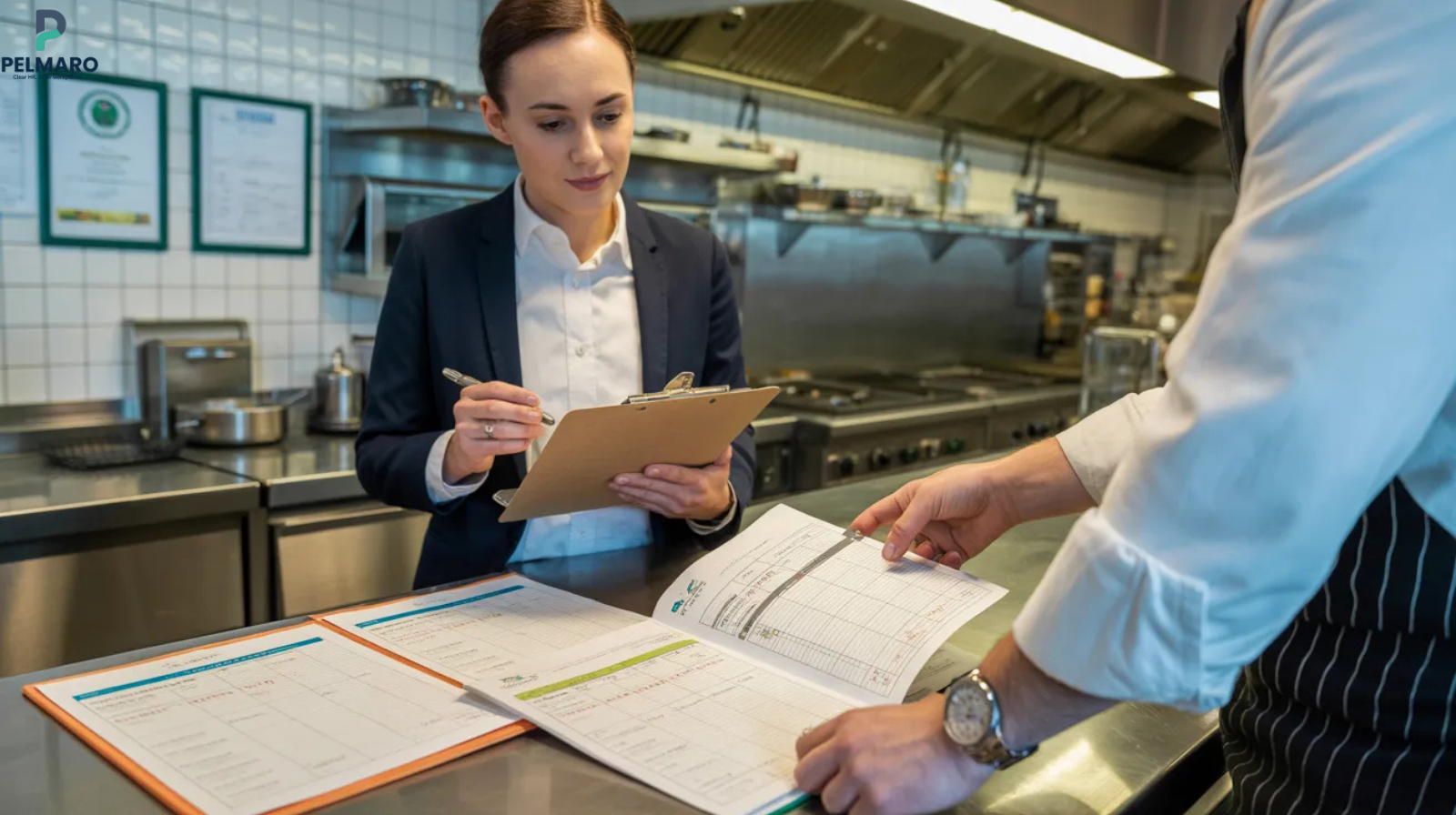
- Structural Standards:Maintaining your premises is vital for a successful food safety inspection Ireland. The layout, ventilation, and maintenance of your premises, ensuring pest-proofing and hygiene compliance.
- Operational Hygiene: How your staff handles food and manages cross-contamination in real-time.
The table below outlines common food safety compliance risks faced by Irish businesses.
Note: Inspection frequency and requirements may vary depending on your business type, food risk profile, and previous compliance history.
Inspection Area | Key Focus for 2026 | Frequency of Check |
Temperature Logs | Fridge (<5°C) & Cooking (>75°C) | Twice Daily (Minimum) |
HACCP Records | Digital or Manual Corrective Actions | Continuous |
Staff Training | FSAI Level 1, 2, and 3 Certs | Annual Refreshers |
Pest Control | Bait point maps & technician reports | Quarterly (Minimum) |
Allergen Matrix | Accurate labeling for 14 allergens | Every Menu Change |
The Landscape of Food Safety Regulations in Ireland 2026
Food safety in Ireland is governed by a strict legislative framework overseen by the Food Safety Authority of Ireland (FSAI) and underpinned by the Irish Statute Book. While core principles remain consistent, 2026 has seen a significant shift toward digital accountability and “Safety Culture” assessments.
Every food business operator—whether in Dublin or the heart of Cavan—is legally responsible for the safety of the food they produce. The Environmental Health Officer (EHO) acts as the enforcement arm, ensuring that laws are upheld to protect public health.

Essential HACCP Requirements Ireland: The Technical Core
The heart of any successful inspection is your HACCP (Hazard Analysis and Critical Control Point) system. If your HACCP plan is outdated or does not reflect your current menu, you are at immediate risk of an enforcement notice.
2026 Digital Record-Keeping Standards
EHOs in areas like Meath and Louth increasingly look for “Live Data.” Temperature logs should ideally be recorded digitally to prevent retrospective logging.

- Critical Control Points (CCPs): Know exactly where the “danger zones” are in your food process.
- Corrective Actions: Demonstrate prompt action, e.g., if a fridge goes above 5°C, record the steps taken. EHOs value proof that your system is active.
Your 2026 EHO Inspection Checklist: Top 5 Priorities
- Verification of Staff Training
- Level 1: Induction (Basics)
- Level 2: Primary Food Safety (Required for all food handlers)
- Level 3: Management (Overseeing HACCP plan)
- Structural Integrity and Maintenance: Check for pest harbourage points, damaged tiles, or broken fly screens in kitchens.
- Traceability and Allergen Management: Trace every ingredient to the supplier. Ensure allergen labeling is clear and accurate.
- Personal Hygiene Protocols: Handwashing sinks with hot water, soap, paper towels; staff must wear PPE, protective clothing, and hairnets.
- Pest Control Contracts: Maintain professional pest control contracts, showing regular visits and acted-upon recommendations.
Serving Local Businesses in Meath, Louth, and Cavan
At Pelmaro, we understand the North-East and Midlands landscape. Restaurants in Meath, catering businesses in Louth, and food manufacturing units in Cavan all require adherence to local EHO standards.
We provide specialised on-site food safety audit services across these counties to identify technical gaps before the inspector does, protecting your livelihood and ensuring your business stays compliant with Irish law.
Common Food Safety Compliance Mistakes to Avoid
- The Paperwork Gap: Clean kitchen but zero temperature records for 48 hours.
- Cross-Contamination: Using the same prep areas for raw chicken and ready-to-eat salads.
- Ignoring Dates: Even one item past its “Use By” date can trigger an Improvement Notice.
How Pelmaro Makes You “Inspection-Ready”
Passively waiting for an inspection is risky. Pelmaro provides professional HACCP Support Services and comprehensive Technical Food Safety Audits.
From designing a bespoke FSAI compliance 2026 strategy to conducting Mock EHO Inspections in Meath, Louth, and Cavan, we ensure your business is always “Audit-Ready.” We don’t just find problems; we provide the solutions to fix them.
Conclusion: Staying Food Safe Is a Business Responsibility, Not a Choice
Food safety compliance is not just about passing inspections — it is about protecting customers, staff, and your business reputation. For Irish food businesses, even small lapses in hygiene, temperature control, or documentation can lead to serious legal and financial consequences during a food safety inspection in Ireland.
By putting the right food safety procedures in place, maintaining proper HACCP requirements Ireland records, and ensuring staff are trained correctly, businesses can reduce risk and stay compliant with FSAI 2026 regulations.

Whether you run a café in Meath, a restaurant in Louth, or a food manufacturing unit in Cavan, taking a proactive approach to food safety compliance is the most reliable way to avoid penalties and operate with confidence.
Don’t Wait for an EHO Inspection to Find Out You’re at Risk!
Don’t leave your business to chance. Ensure your food safety inspection in Ireland is a success with Pelmaro’s expert guidance. Book a free consultation for your Meath, Louth, or Cavan business today
FAQ's
None. In Ireland, an Environmental Health Officer has the legal right to inspect your food business at any reasonable time without prior notice.
Yes! Pelmaro specialises in on-site food safety audits, HACCP plan development, and staff training for businesses in Cavan, Louth, and Meath.
The Five Cs—Cleaning, Cooking, Chilling, Cross-contamination Prevention, and Communication. A spotless kitchen still needs proper cooking temperatures. Careful cooking still requires protection from cross-contamination.
Pelmaro delivers Safety Audits, custom Safety Statements, HACCP plans, and acts as your designated Competent Person.
Passing the EHO Food Safety inspection is crucial because it ensures that your business complies with legal health standards. Maintaining high EHO Food Safety levels protects your customers from health risks and builds a solid reputation for your brand in the industry.